This post may contain affiliate links. Please read our disclosure policy.
This easy stovetop pork tenderloin is juicy, tender, and coated in a flavorful sauce. A simple dinner recipe that’s perfect for busy weeknights.
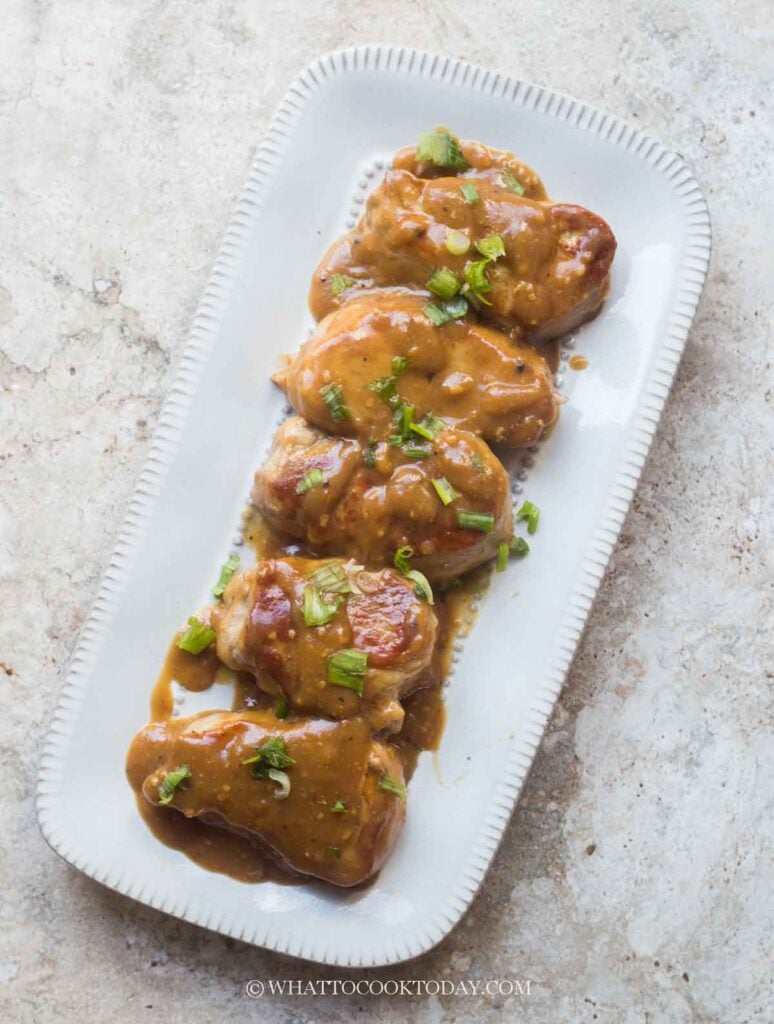
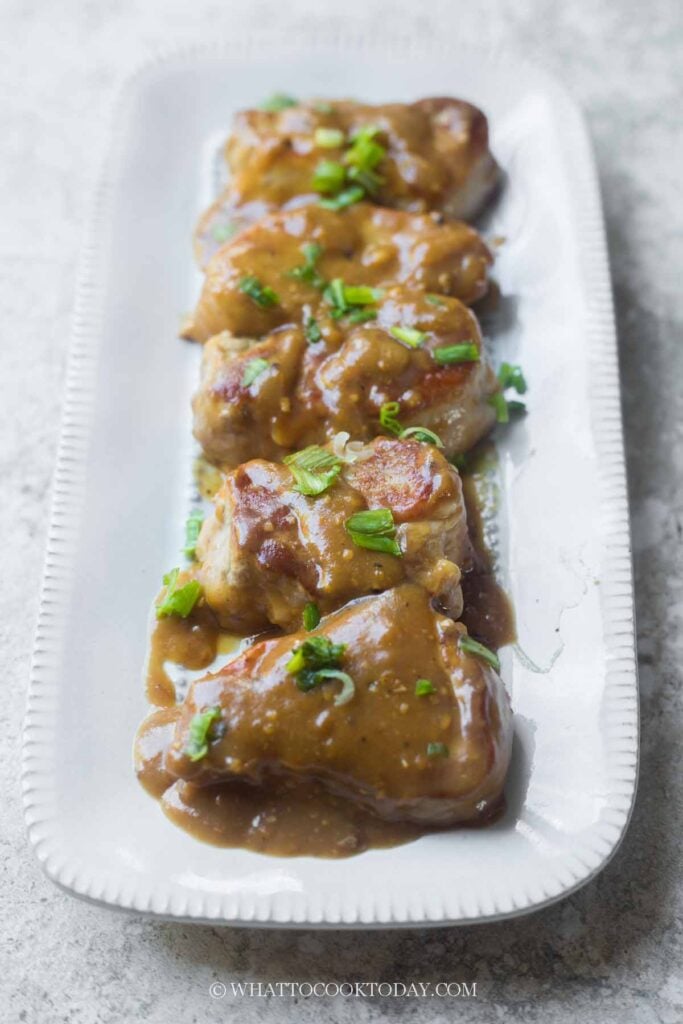
Pork tenderloin was on sale, so I decided to pick some up and make something easy for dinner. Instead of roasting the tenderloins whole in the oven and slicing them afterward, I wanted a dish that I could cook entirely on the stovetop. I decided to cut the pork into slices and pair it with a simple soy ginger sauce. The pork turned out really well! The slices stayed juicy and tender, and my kids even complimented how tender the pork was. That is always a good sign that a recipe is worth making again.
The sauce is savory with a hint of sweetness, a little tang from the rice vinegar, and a lovely aroma from fresh ginger and garlic. I also use a little flour to help thicken the sauce, so it coats the pork nicely without requiring a long simmer. This is an easy weeknight dinner that you can serve with rice, noodles, mashed potatoes, or your favorite vegetables.
Why You’ll Like This Recipe
- Quick stovetop cooking: Cutting the pork into slices means you don’t have to roast a whole tenderloin and wait for it to cook through.
- Tender and juicy pork: Pork tenderloin is naturally tender, and cooking the slices briefly before finishing them in the sauce helps keep them from becoming dry.
- Simple soy ginger sauce: The sauce uses everyday ingredients and has a nice balance of savory, sweet, and tangy flavors.
- Easy to serve with different sides: Serve it with steamed rice, noodles, mashed potatoes, or vegetables for a complete meal.
Ingredients and Substitutions
- Pork tenderloin : Pork tenderloin is the cut I recommend for this recipe because it is naturally tender and cooks quickly. I don’t recommend substituting pork loin or tougher cuts without adjusting the preparation and cooking method. See the section below for more details.
- Salt and ground black pepper: A pinch of salt and a few cracks of black pepper season the pork before searing. Keep the salt light because the soy sauce will add saltiness to the finished dish.
- Cooking oil : Use a neutral oil suitable for stovetop cooking, such as canola, vegetable, or avocado oil. You may need a little extra when cooking the pork in batches.
- Fresh ginger : Fresh ginger gives the sauce its distinctive warm, fragrant flavor. Freshly grated ginger is preferable here. Do not substitute with ground ginger powder, it doesn’t give the same taste and aroma
- Garlic : Garlic complements the ginger and adds aroma to the sauce. You can use a little more if you enjoy a stronger garlic flavor.
- All-purpose flour : The flour combines with the oil to form a simple roux that thickens the sauce and helps it cling to the pork. I haven’t tested a gluten-free flour substitution for this particular method.
- Chicken broth : Chicken broth forms the liquid base of the sauce. You can use low-sodium broth if you prefer more control over the saltiness.
- Soy sauce: Soy sauce provides the savory, salty flavor. Use regular soy sauce or a reduced-sodium variety, adjusting the seasoning to taste.
- Brown sugar : Brown sugar adds sweetness and balances the savory soy sauce and tangy vinegar. You can adjust the amount slightly to suit your preference.
- Rice vinegar : Rice vinegar adds a gentle tang that balances the sweetness. Avoid substituting it with a much stronger vinegar without adjusting the quantity.
Why I Don’t Recommend Substituting Pork Tenderloin with Pork Loin
Pork tenderloin and pork loin may sound similar, but they are different cuts of meat. They don’t behave exactly the same way when cooked, especially when sliced thickly and prepared using this quick stovetop method.
Pork tenderloin is a long, narrow muscle that does relatively little work. It is naturally tender, lean, and well suited to quick cooking. Cutting it into 1-inch slices allows the pieces to sear quickly while remaining tender, provided you don’t overcook them.
Pork loin, on the other hand, is a larger cut from a different part of the pig. It is also fairly lean and can be delicious when cooked properly, but it has a different texture and is not a direct one-for-one substitute for tenderloin in this recipe. Thick slices of pork loin may need different cooking times and can become dry or chewy if treated exactly like tenderloin.
Cheaper cuts such as pork shoulder are even less suitable for this particular method. Shoulder contains more connective tissue and benefits from longer cooking to become tender. Quickly searing thick shoulder slices and finishing them in this short sauce-cooking step is unlikely to give you the same tender result.
For this recipe as written, I recommend sticking with pork tenderloin to get the tender texture my family enjoyed.
Tips for Tender and Juicy Pork
- Remove the silverskin: This tough membrane does not soften during quick cooking and can cause the slices to curl as they cook.
- Pat the pork dry: Removing surface moisture helps the pork sear instead of simply steaming in the skillet.
- Don’t overcrowd the skillet: Cook in batches so the pork has enough room to brown. Overcrowding lowers the pan temperature and makes it harder to get a good sear.
- Avoid overcooking during the first sear: The pork will return to the skillet to finish cooking in the sauce. Searing it for too long at the beginning can leave it dry.
- Stir the sauce while adding the liquid: This helps incorporate the flour roux smoothly and prevents lumps from forming.
- Use a thermometer: Pork slices can vary in thickness, so checking the internal temperature is more reliable than relying on the cooking time alone.
Make-Ahead and Storage
Make ahead: You can mix the sauce ingredients ahead of time and keep them covered in the refrigerator until you’re ready to cook. You can also trim and slice the pork in advance, keeping it refrigerated until cooking. For the best texture, I recommend searing the pork and finishing it in the sauce shortly before serving.
Refrigeration: Store leftover pork and sauce in an airtight container in the refrigerator for up to 3 days.
How to Reheat Leftovers
Pork tenderloin is best eaten on the same day, but if for some reason you have leftovers, here’s what to do:
Reheating: Reheat gently in a skillet over low to medium-low heat, adding a small splash of chicken broth or water if the sauce has thickened too much. Avoid prolonged reheating because pork tenderloin can dry out.
Freezing: You can freeze the cooked pork with its sauce in an airtight, freezer-safe container, although the texture of the pork may be a little less tender after thawing and reheating. Thaw overnight in the refrigerator and reheat gently.
Frequently Asked Questions
- Can I cut the pork into thinner slices?
Yes. Thinner slices will cook more quickly, so reduce the initial searing time and watch the internal temperature carefully. The slices should still be thick enough to remain juicy while being coated in the sauce. I don’t recommend anything thinner than 3/4 inch thickness - Can I make the sauce without flour?
The flour helps thicken the sauce and gives it a consistency that coats the pork. If you omit it, the sauce will be thinner. You can try using 1 Tbsp of cornstarch mixed with 2 Tbsp of water and give it a good stir and then slowly add it into the sauce and continue to stir until it thickens - Can I make the sauce sweeter or less sweet?
Yes. You can adjust the brown sugar to your taste. Start with a little less if you prefer a more savory sauce, then taste and add more if needed. - What should I serve with soy ginger pork tenderloin?
Steamed rice is an easy choice, but this pork also works well with noodles, mashed potatoes, or vegetables. Choose sides that can soak up the flavorful sauce. - How do I know when the pork is done?
Use a food thermometer to check the thickest pieces. The pork should reach 145°F (63°C). Avoid relying on color or cooking time alone.
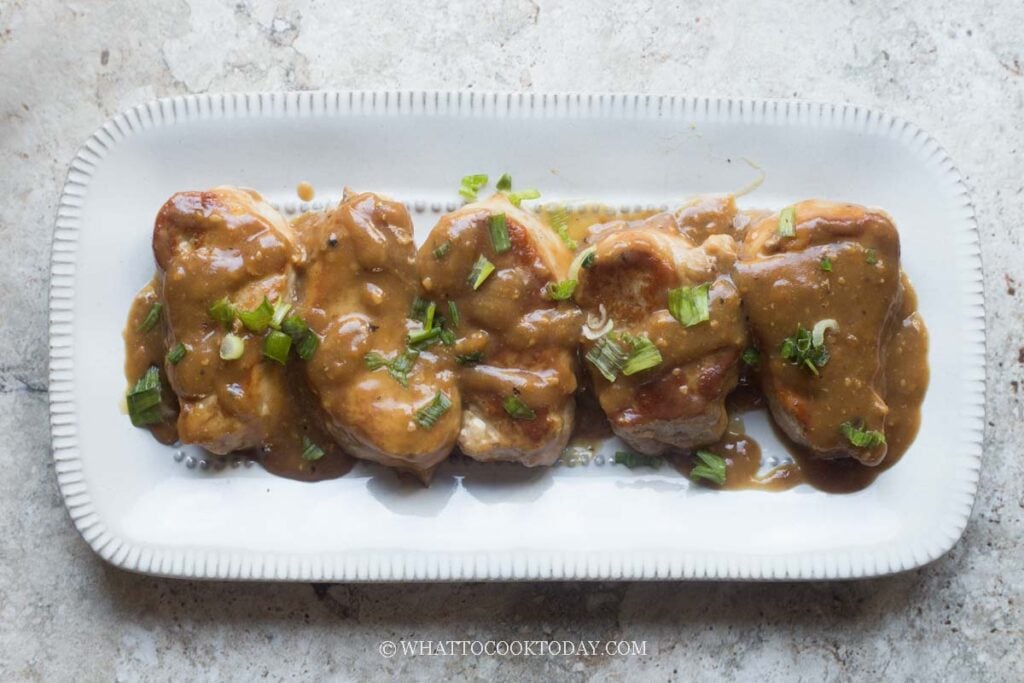
Easy Pork Tenderloin with Soy Ginger Sauce (Stovetop)
Ingredients
- 907 g pork tenderloin see notes
- Pinch of salt
- Ground black pepper
- 2 Tbsp oil plus more as needed
For the roux:
- 1 Tbsp cooking oil
- 1 Tbsp grated fresh ginger
- 1 cloves garlic finely minced
- 1 Tbsp all-purpose flour
For the sauce:
- ½ cup chicken broth
- 1 Tbsp soy sauce
- 2 Tbsp brown sugar
- 1 Tbsp rice vinegar
Instructions
- This recipe can serve between 4-6 servings, depending on the appetite 🙂 I would say 4 servings for adults if you serving this as a main
- Combine all the sauce ingredients and set aside1/2 cup chicken broth, 1 Tbsp soy sauce, 2 Tbsp brown sugar, 1 Tbsp rice vinegar
Prepare the pork:
- Trim off any excess fat and remove silverskin, which is a tough, shiny, bluish-white membrane hiding right underneath that fat layer or on the sides. Cut the pork tenderloin into 1-inch slices. Pat both sides dry with an absorbent paper towel.907 g pork tenderloin
Cook the pork:
- Preheat a large pan with 2 Tbsp oil over medium heat. Add the pork tenderloin slices. Don’t overcrowd the pan. You will need to cook in 2-3 batches, depending on the size of your pan. Season with pinch of salt and few cracks of ground black pepperPinch of salt, 2 Tbsp oil, Ground black pepper
- Let them cook undisturbed for about 3 minutes on one side so they have a nice sear. Flip over to the other side and let them cook for another 2 minutes. Don't overcook as we will finish cooking with the sauce later.

- Remove from the pan to a large plate. Cover with foil to keep them warm. Repeat with the next batch and add oil as needed

Making the sauce:
- Once you are done cooking all the pork, to the same skillet add 1 Tbsp of oil and saute garlic and ginger for about 30 seconds or so.1 Tbsp cooking oil, 1 Tbsp grated fresh ginger, 1 cloves garlic, 1 Tbsp all-purpose flour

- Sprinkle in the all-purpose flour and keep stirring until the flour get lightly browned, about 2 minutes
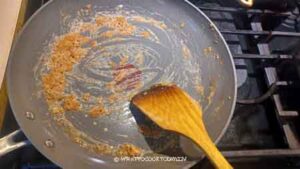
- Then add the sauce you have prepared earlier into the pan and use spatula to scrape the pan to make sure you gets all the bits and pieces that get stucked to the pan

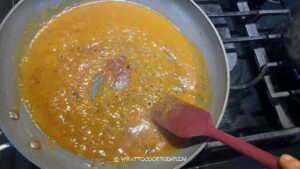
- Keep stirring until the sauce starts to thicken and no lumps other than bits and pieces from garlic and ginger. Have a taste and adjust the seasonings to your taste preference. It should be savory with a hint of sweetness and a nice aroma from the ginger
Finish cooking:
- Return the pork tenderloin slices into the pan and gently stir to have the sauce coats the slices and let them cook for another minute and remove from the heat. The internal temperature of the pork should be about 145 F (63 C). Use instant-read thermometer and you don't have to worry about overcooking the pork

To serve:
- Serve warm with your favorite sides like cooked rice, noodles, mashed potatoes, salad, etc
