This post may contain affiliate links. Please read our disclosure policy.
A crispy Hawaiian-inspired mochiko fried chicken made with garlic, sesame, and a double-fry method. The egg-free coating stays crunchy longer.
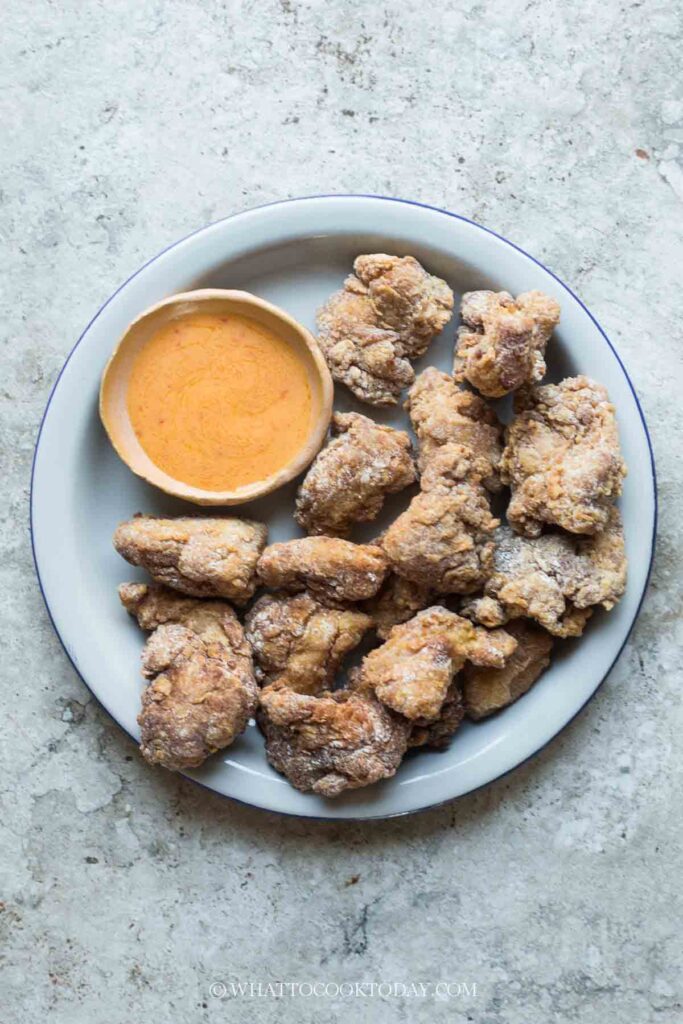
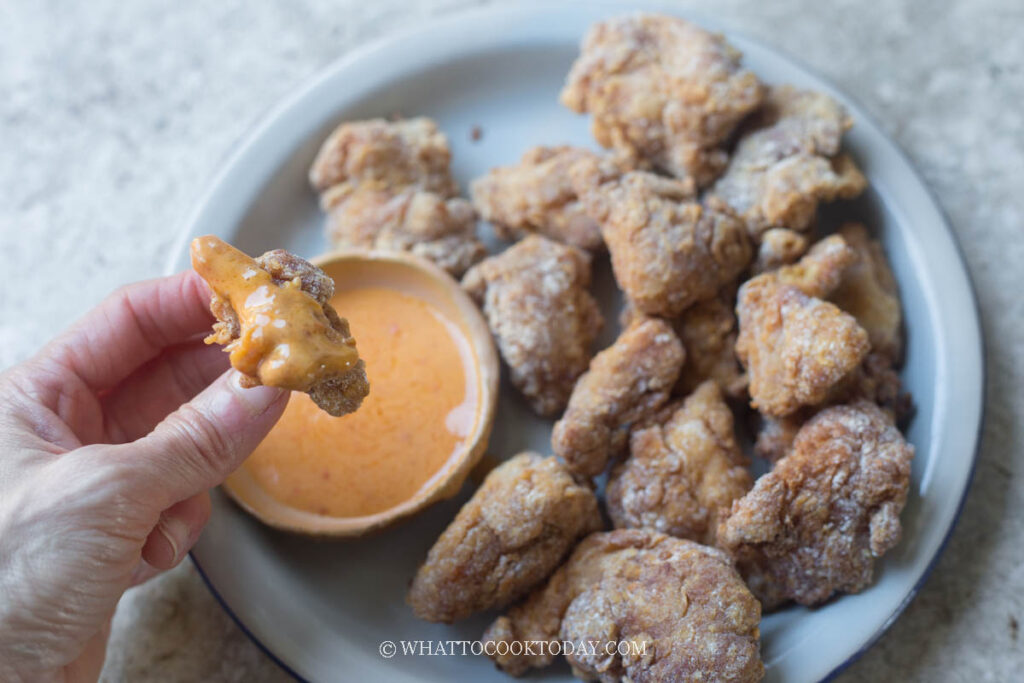
Golden, shatteringly crispy, juicy on the inside, and incredibly addictive, this mochiko fried chicken is one of those recipes that disappears almost as soon as it hits the table. It has been a favorite in my house for years, and if I ask my kids what they want for dinner, this crispy chicken almost always makes the list. Inspired by Hawaiian mochiko chicken, my version skips the egg entirely. It may sound like a small change, but it makes a big difference. The chicken stays crisp much longer, even after it has cooled, making it perfect for family dinners, potlucks, game days, or packing into lunch boxes. If you’ve never made fried chicken with mochiko flour before, you’re in for a treat.
What is mochiko fried chicken?
Mochiko fried chicken is a beloved local Hawaiian dish made by marinating bite-sized chicken pieces in a savory-sweet mixture of mochiko flour (sweet rice flour), soy sauce, garlic, ginger, and seasonings, then deep-frying until crispy.
Unlike traditional Southern fried chicken, mochiko chicken doesn’t have a thick flour coating. Instead, the coating is light, delicate, and wonderfully crisp with a slightly chewy bite that’s unique to sweet rice flour.
You’ll find mochiko chicken everywhere in Hawaii—from family gatherings and potlucks to local plate lunch shops, school fundraisers, and neighborhood restaurants.
The history behind Hawaiian mochiko chicken
Hawaiian cuisine is a beautiful blend of cultures, reflecting the many immigrant communities that have shaped the islands over generations.
Japanese immigrants brought mochiko flour, a finely milled flour made from glutinous rice (despite the name, it contains no gluten). Chinese immigrants contributed soy sauce-based marinades, while Korean, Filipino, Portuguese, and native Hawaiian cooking traditions all influenced what eventually became today’s local Hawaiian comfort food.
Mochiko chicken is one of those recipes that perfectly represent Hawaii’s multicultural food scene. While there isn’t one official recipe, most versions include: Mochiko flour, soy sauce, garlic, ginger, sugar, sesame oil, and eggs and usually DOES NOT include dry coating.
Why you’ll love this recipe
- Incredibly crispy without a heavy batter.
- No eggs required.
- Juicy and flavorful from an overnight marinade.
- Stays crispy much longer than egg-based versions because there is an extra dry coating and also they are fried twice
- Freezer-friendly before cooking.
- Perfect for parties and meal prep.
What makes mochiko flour so crispy?
This recipe relies on mochiko flour, also known as sweet rice flour or glutinous rice flour. Although it’s made from glutinous rice, it contains no gluten. The word “glutinous” simply refers to the sticky texture of the rice. When fried, mochiko creates a coating that is thin, delicate, crisp, slightly chewy, and wonderfully light. Cornstarch is added to enhance the crispness even more. The combination gives the chicken a texture that’s very different from regular flour-coated fried chicken.
Why this recipe is extra crispy
While this recipe is inspired by Hawaiian mochiko fried chicken, I make a few changes that give it an even crispier texture—just the way my family loves it.
1. I skip the eggs. Many traditional mochiko chicken recipes include eggs in the marinade, which creates a thicker coating. I prefer leaving them out because the crust stays lighter and crisp for much longer after frying.
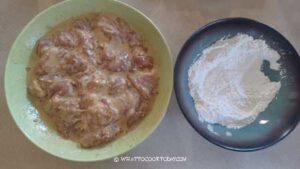
2. I add a light dry coating. Most mochiko fried chicken is fried straight from the marinade without an additional coating. Before frying, I lightly coat each piece with a simple mixture of mochiko flour, cornstarch, and salt. This creates a delicate, paper-thin crust that becomes beautifully crisp while still letting the flavor of the marinade shine through.
3. I double fry the chicken. The first fry gently cooks the chicken until it’s just done, while the second fry quickly crisps the exterior. During the short rest between fries, moisture from inside the chicken moves toward the surface. The second fry evaporates that moisture, leaving behind an exceptionally crunchy crust while keeping the meat juicy and tender inside.
These three simple techniques work together to produce chicken that’s light, crunchy, and stays crispy much longer than many traditional versions.
Ingredients and substitutions
- Chicken thighs provide the juiciest, most flavorful results. Boneless skinless chicken breasts can be substituted, but they cook more quickly and can dry out if overcooked.
- Soy sauce seasons the chicken while adding umami. Regular soy sauce works well. If using low-sodium soy sauce, you may want to add a little extra salt.
- Mochiko flour (sweet rice flour/glutinous rice flour) is the key ingredient that creates the signature light, crispy coating. Look for mochiko flour in Asian grocery stores or the Asian aisle of many supermarkets. Regular rice flour is not the same and won’t produce the same texture.
- Cornstarch helps make the coating even crispier. Potato starch is a great substitute.
- Sugar balances the savory flavors and encourages beautiful caramelization.
- Toasted white sesame seeds add a subtle nutty aroma and flavor.
- Garlic provides savory depth. Fresh garlic is highly recommended.
- Fresh ginger adds brightness and complements the soy-based marinade beautifully. Ground ginger may be used in a pinch, but fresh tastes much better.
- Toasted sesame oil contributes rich roasted sesame flavor. A little goes a long way.
- Salt and black pepper round out the seasoning.
- Neutral cooking oil with a high smoke point works best for deep frying.
Tips for the crispiest mochiko chicken
- Marinate overnight whenever possible.
- Don’t skip the dry coating.
- Fry in small batches.
- Keep the oil temperature consistent.
- Skim out loose crumbs between batches.
- Always double fry.
- Let excess coating fall off before frying.
- Drain on a wire rack instead of stacking the chicken.
- Serve immediately for maximum crunch or keep them warm in the oven
Frequently Asked Questions
- Can I use chicken breast?
Yes. Chicken breast works well but cooks faster and is easier to overcook than chicken thighs. - Is mochiko flour the same as regular rice flour?
No. Mochiko is made from glutinous (sweet) rice and has very different cooking properties. It creates a lighter, crispier, slightly chewy coating that regular rice flour cannot replicate. - Why isn’t my chicken crispy?
The most common reasons are that the oil wasn’t hot enough, the pot was overcrowded, the chicken wasn’t double fried, or the chicken sat directly on paper towels instead of a wire rack. - Can I air fry this recipe?
This particular recipe is designed for deep frying. Because the coating is relatively light, it doesn’t brown or crisp quite the same way in an air fryer. If using one, lightly spray the coated chicken with oil before cooking, but expect a different texture. - Can I freeze the cooked chicken?
Yes. Freeze in a single layer until solid, then transfer to a freezer-safe bag for up to 2 months. Reheat directly from frozen in a 400°F oven or 375°F air fryer until hot and crispy. - Why double fry?
The first fry cooks the chicken. After resting briefly, moisture inside the coating migrates toward the surface. The second fry quickly evaporates that moisture, creating an even crispier exterior while keeping the meat juicy inside. The result is chicken that stays crispy much longer. - Can I make this ahead?
Yes. You can marinate the chicken overnight in the refrigerator or freeze the marinated chicken for up to one month.
Simply thaw overnight in the refrigerator before coating and frying. If you’re serving for a party, you can complete the first fry a few hours ahead.
Just before serving, fry everything a second time until hot and crispy.
Serving suggestions
This chicken is delicious on its own, but it’s even better with dipping sauces.
Try serving it with: Sriracha mayo, Japanese mayonnaise, sweet chili sauce, garlic aioli, spicy gochujang mayo, Hawaiian-style shoyu dipping sauce, and ranch dressing. They all pair beautifully with this dish. It also goes wonderfully with steamed rice, macaroni salad, cucumber salad, coleslaw, kimchi, or a simple green salad.
Storage & reheating
Store any leftover sesame garlic mochiko fried chicken in an airtight container in the refrigerator for up to 3 days or freeze it for up to 2 months. If freezing, arrange the cooked chicken in a single layer until frozen solid before transferring it to a freezer-safe bag or container to prevent the pieces from sticking together.
For the crispiest results, reheat the chicken in a 375°F (190°C) air fryer for 4–6 minutes or in a 400°F (200°C) oven for 8–10 minutes on a wire rack set over a baking sheet. If reheating from frozen, simply add a few extra minutes until the chicken is heated through and crispy again. I don’t recommend using the microwave, as it softens the crispy coating.
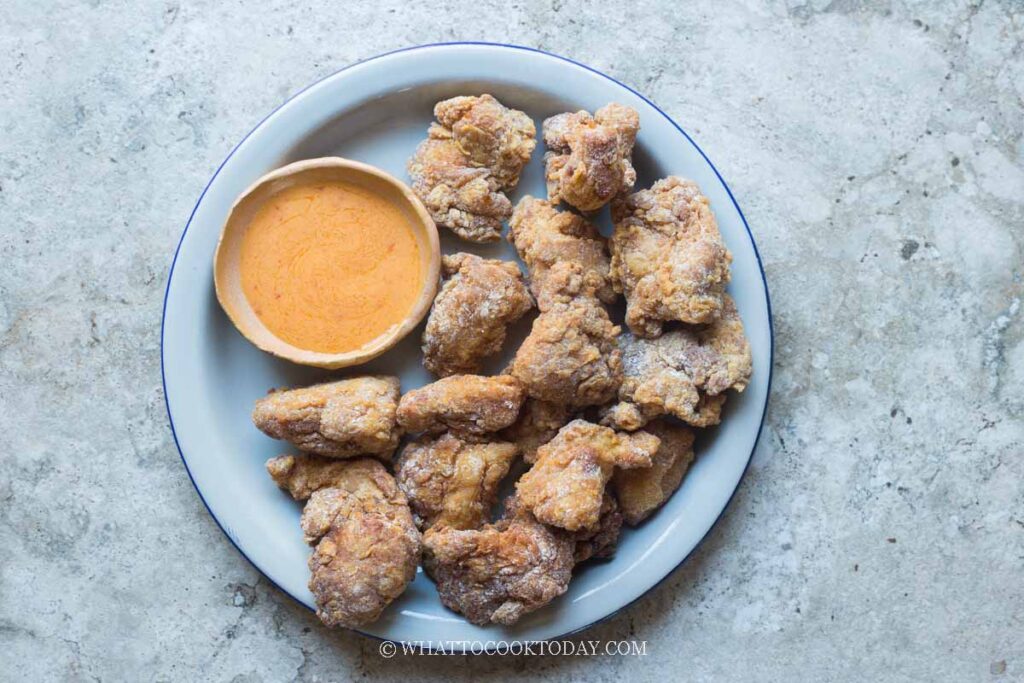
Sesame Garlic Mochiko Fried Chicken (Hawaiian-Inspired)
Ingredients
- 700 g boneless skinless chicken thighs
Marinade:
- ¼ cup soy sauce
- 30 g mochiko flour or glutinous rice flour/sweet rice flour
- 15 g cornstarch
- 1 Tbsp sugar
- 2 Tbsp toasted white sesame seeds
- 2 cloves garlic minced
- 1 tsp fresh ginger grated
- 1 tsp toasted sesame oil
- ½ tsp salt
- ½ tsp freshly ground black pepper
Coating:
- 60 g mochiko flour or glutinous rice flour/sweet rice flour
- 5 g cornstarch
- ½ tsp salt
For cooking:
- 2 cups cooking oil plus more as needed
Serve with: (optional)
- sriracha mayo I used store-bought
Instructions
Marinate the chicken:
- Cut the chicken into 1 1/2-2 inch chunks. Combine soy sauce, sugar, minced garlic, sesame oil, ginger, salt, pepper, cornstarch, mochiko flour in a shallow platter or a sturdy plastic bag. Add the chicken pieces in there and squeeze them around to make sure everything is thoroughly combined and coating the chicken pieces. Cover with a cling wrap. If you use a bag, push all the air out and seal the bag. Lay the bag flat on a plate and put in the fridge to let it marinate for at least 8 hours. You can also put this in the freezer for up to 1 month. Simply thaw overnight in the fridge before using
When ready to cook:
- Combine the mochiko flour, cornstarch, and salt as a dry coating for the chicken pieces
- In a medium-size pot, add cooking oil to come up about 2 inches. Preheat over medium heat.
- While the oil is preheating, coat each piece of chicken with the dry coating. Gently press the coating on the chicken pieces and shake off any excess.
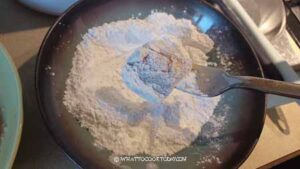
- When you stick a skewer into the oil, you'll see bubbles around it. The oil is sufficiently hot at this point
First frying:
- Add a few pieces of the chicken at a time. Try not to crowd the pot and lower the temperature too much. Let them fry for 3-4 minutes (depending on the size of the chicken chunks) or until they are very lightly golden brown. Remove with a slotted spoon or skimmer and place them on an absorbent paper towel
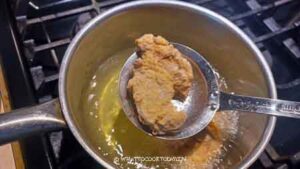
- Continue frying the rest in batches. Skim off any crumbs from the oil in between frying if necessary
Second frying:
- The second frying will be quick. It is to crisp up the chicken. Make sure the oil is hot again
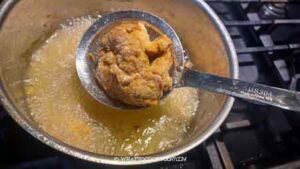
- Starting from the first batch that you fry, add those pieces in there and let them fry for about 2 minutes or so. They will have a deeper golden brown this round. Starch coating usually doesn't brown as much compared to using all-purpose flour. They should be crisp
Keep warm:
- Keep them warm on a cooling rack set on top of a baking tray to catch any dripping oil. I usually keep them warm in the oven.
To serve:
- Serve them warm with any of your favorite sauces
