This post may contain affiliate links. Please read our disclosure policy.
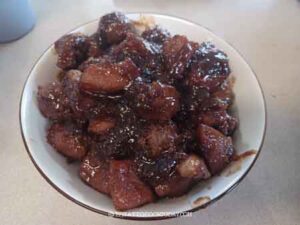
This Vietnamese caramelized pork is tender, savory, and coated in a rich, sticky caramel sauce. An easy stovetop braised pork recipe perfect for family meals and batch cooking. My instructions include both cooking on the stove and pressure cooker.
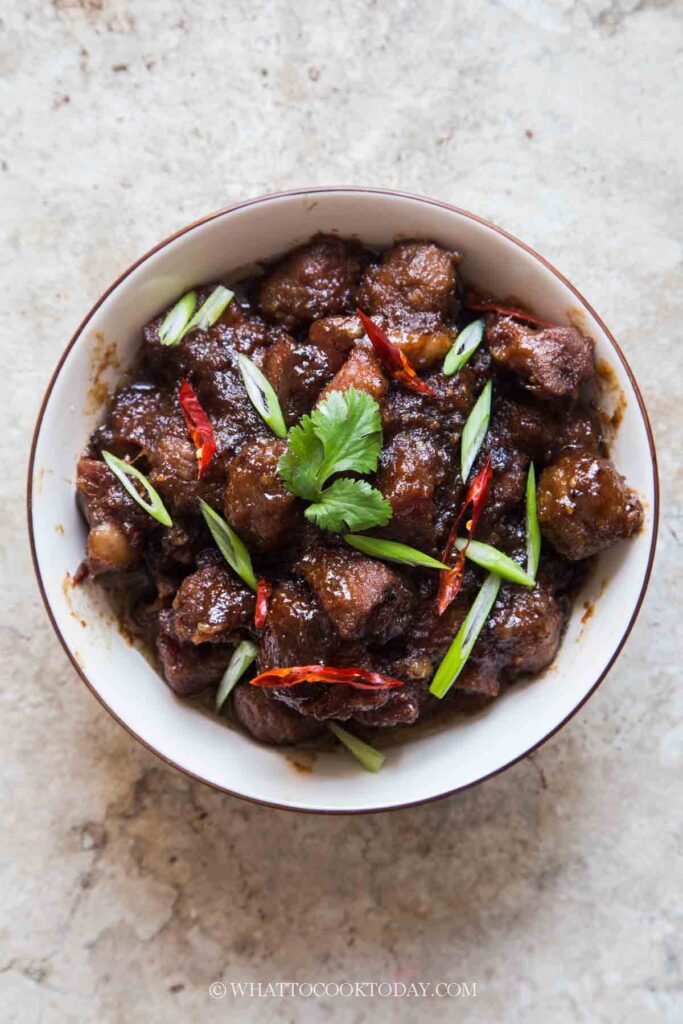
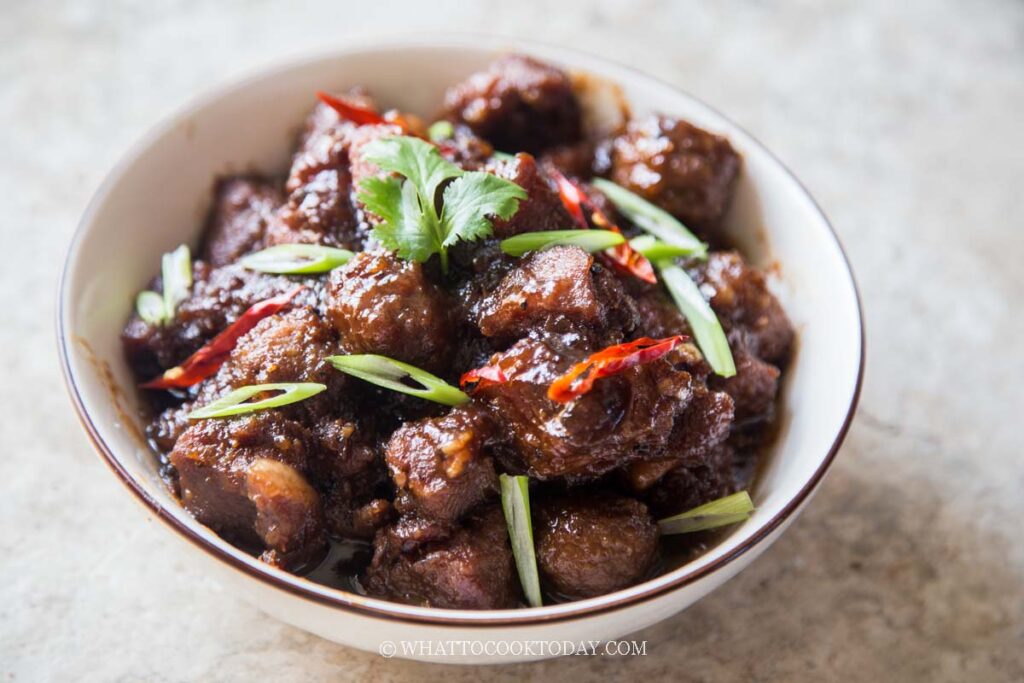
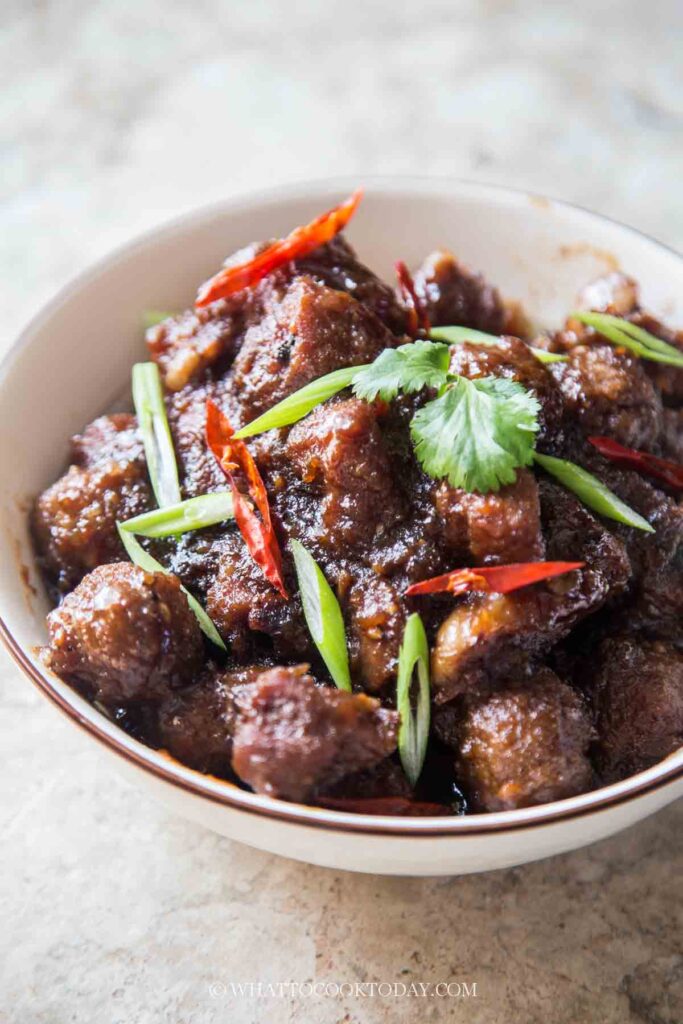
Vietnamese caramelized pork, known as thit kho, is one of my favorite ways to cook pork. The pork is slowly braised until tender in a savory-sweet caramel sauce made with fish sauce, soy sauce, aromatics, and coconut water. The result is tender, flavorful pork pieces coated in a beautiful dark, sticky sauce that is so good served over steamed rice.
Traditionally, this dish is often made with pork belly, which gives the finished dish a rich, melt-in-your-mouth texture. I personally prefer using pork shoulder because it has a good balance of meat and fat without being overly fatty. It still becomes wonderfully tender after simmering, and the caramel sauce clings beautifully to every piece.
The best part is that this recipe is surprisingly simple to make with just a handful of everyday ingredients. Once everything is in the pot, most of the work is hands-off while the pork slowly braises. It is also easy to double the recipe and freeze a batch for another meal.
Why You’ll Love This Recipe
- Sweet, savory, and sticky: The caramel sauce has a wonderful balance of sweetness and umami from the fish sauce and soy sauce.
- Tender, flavorful pork: Slow simmering allows the pork to absorb the sauce and become tender.
- Easy stovetop cooking or using a pressure cooker: You have the flexibility of the cooking method. If you don’t have a pressure cooker, you can make this on the stove. Using pressure cooker definitely speed things up significantly.
- Great for meal prep: Make a larger batch and freeze portions for quick, satisfying meals later.
- Flexible choice of pork: Use pork shoulder for a meatier result or pork belly for a richer, fattier version.
Ingredients and Substitutions
- Pork shoulder or pork belly: I prefer pork shoulder because it has enough fat to keep the meat juicy without making the dish overly greasy. Pork belly is the traditional, richer option. Cut the pork into roughly 1-inch cubes so the pieces cook evenly.
- Brown sugar: This creates the caramel base and gives the sauce its signature dark color and sweetness. Brown sugar adds a subtle molasses flavor, but regular white sugar can also be used.
- Water: A small amount of water helps the sugar begin melting and caramelizing evenly.
- Coconut water: This provides the liquid for braising and adds a gentle natural sweetness. Use plain, unsweetened coconut water rather than coconut milk. If needed, water is a suitable substitute but I won’t recommend it
- Fish sauce: This is essential for the characteristic savory, umami flavor. Different brands vary in saltiness, so adjust to taste if necessary.
- Soy sauce: Adds saltiness, depth, and color. Regular soy sauce works well; reduced-sodium soy sauce can be used if you prefer a less salty dish.
- Shallots: Finely minced shallots add sweetness and aromatic flavor. A small red onion is a convenient substitute.
- Garlic: Freshly minced garlic adds fragrance and savory depth.
- White pepper: Adds gentle warmth without distracting from the caramel sauce. Black pepper works if that is what you have.
- Green onions, cilantro, and red chilies: These are optional garnishes that add freshness, color, and a little heat. Adjust the chilies to your preference or leave them out for a milder dish.
Tips for Making the Best Caramelized Pork
- Be patient with the caramel. Cook the sugar over medium-low heat and watch its color closely. You want a deep amber color, not dark brown or black, which can make the sauce bitter.
- Keep the simmer gentle. A slow, steady simmer helps the pork become tender without reducing the sauce too quickly.
- Stir more frequently toward the end. The sauce can burn easily once it becomes thick and sticky, so stay nearby during the final stage of cooking.
Frequently Asked Questions
- Can I use pork shoulder instead of pork belly?
Yes! Pork shoulder is my preferred cut because it has a nice balance of lean meat and fat. It produces tender, meaty pieces without as much rendered fat as pork belly. You can use either cut in this recipe. - Why did my caramel harden when I added the pork?
This is completely normal. The temperature difference between the hot caramel and the cooler pork can cause the sugar to solidify. Continue cooking and stirring as you add the braising liquid. The caramel will gradually dissolve into the sauce. - Can I make this recipe without coconut water?
Yes. Plain water works as a substitute. Coconut water contributes a subtle sweetness, but the caramelized sugar and seasonings will still give the pork plenty of flavor. - How do I know when the pork is done?
The pork should be tender enough to pierce easily with a fork. Depending on the cut and the size of the pieces, cooking time may vary. If the meat is still firm, add more liquid as needed and continue simmering. - Why is my caramel sauce too thin?
Continue simmering uncovered until the liquid reduces and the sauce thickens. Stir regularly to prevent burning. Remember that the sauce will coat the pork more thickly as it reduces. - Can I make this dish ahead of time?
Absolutely. The flavor develops as the pork sits in the sauce, making it a great make-ahead dish. Cool it promptly and refrigerate in an airtight container. Reheat gently on the stovetop, adding a splash of water if the sauce has thickened. - Can I freeze Vietnamese caramelized pork?
Yes. This recipe freezes well, making it ideal for batch cooking. Divide the cooled pork and sauce into meal-sized portions, pack them in freezer-safe containers, and freeze for up to 3 months for best quality. Thaw in the refrigerator before reheating thoroughly.
How to Store and Reheat
- Refrigerate: Store leftover pork and sauce in an airtight container in the refrigerator for 3–4 days.
- Freeze: Freeze in individual or family-sized portions for up to 3 months for best quality.
- Reheat: Warm the pork gently in a saucepan over low heat until heated through. Add a little water if the sauce has thickened too much during storage.
What to Serve with Vietnamese Caramelized Pork
- Steamed jasmine rice: The classic pairing, and a great way to enjoy every bit of the caramel sauce.
- Steamed or stir-fried vegetables: Broccoli, bok choy, Chinese broccoli, or green beans add freshness and contrast.
- Pickled vegetables: Lightly pickled carrots and daikon offer a refreshing, tangy balance to the sweet and savory pork.
This Vietnamese caramelized pork is one of those dishes I keep coming back to because it is simple, comforting, and full of flavor. I love how the pork shoulder becomes tender while the sauce reduces into a rich, sticky coating. Although pork belly is the traditional choice, pork shoulder is a delicious alternative when you want something a little less fatty.
Make it for dinner, serve it over a bowl of steamed rice, and save any leftovers for another meal. If you enjoy cooking in batches, this is definitely a recipe worth doubling!
Vietnamese Caramelized Pork
Ingredients
- 1.13 kg pork shoulder or pork belly cut into 1-inch cubes. See notes 1
- 100 g brown sugar
- 1 Tbsp water
- 345 g coconut water plus more as needed
- 30 g fish sauce
- 30 g soy sauce
- 4 shallots or 1 small red onion, finely minced
- 3 cloves garlic minced
- ¼ tsp freshly ground white pepper
Garnishes:
- 5 stalks green onion shredded
- Cilantro leaves
- Thinly sliced red chilis seeded
Instructions
- Cut the pork into 1-inch cubes and pat them dry with an absorbent paper towel
If using multi-cooker with pressure cooker function:
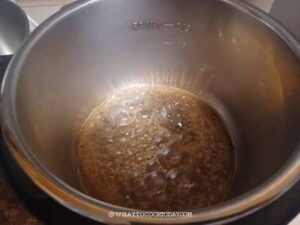
- Press saute and when it's hot, add brown sugar and 1 Tbsp of water over medium-low heat until the brown sugar starts to melt and begins to bubble.
- Once it starts bubbles, DO NOT stir. Let it cook until the color deepens into amber color, about 2-3 minutes. Watch it closely so you won't burn the sugar.
- Add the pork and start to stir. The caramel may harden or seize, but don't worry, just keep stirring and it will melt again
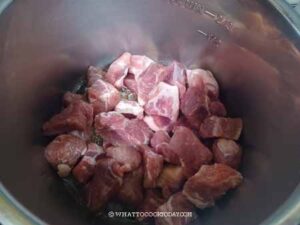
- Add coconut water, fish sauce, soy sauce, shallots, garlic, freshly ground black pepper and stir everything to combine
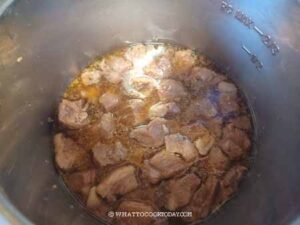
- Turn off the saute mode and give the mixture a final stir to make sure nothing catches at the bottom of the pot. Cover with a lid and press "pressure cooker" and set the timer to 30 minutes and then do natural release
- Turn the saute mode back on, to cook off the liquid.
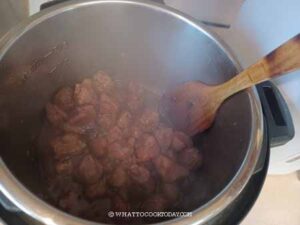
- Give it a stir every now and then especially when the liquid has mostly evaporated to make sure the caramel sauce doesn't get burnt
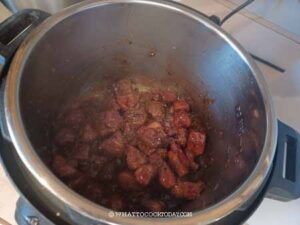
- Continue to the serving step
If cooking on the stove:
- In a heavy-bottom pot, add brown sugar and 1 Tbsp of water over medium-low heat until the brown sugar starts to melt and begins to bubble.
- Once it starts bubbles, DO NOT stir. Let it cook until the color deepens into amber color, about 2-3 minutes. Watch it closely so you won't burn the sugar.
- Add the pork and start to stir. The caramel may harden or seize,but don't worry, just keep stirring and it will melt again
- Add coconut water, fish sauce, soy sauce, shallots, garlic, freshly ground black pepper and stir everything to combine
- Bring the mixture to a boil and then lower the heat slightly to let it simmer uncovered until the pork is tender and the liquid has mostly evaporated and the sauce thickens. This may take about 1 to 1 1/2 hours. You should be able to pierce through the pork with a fork without much resistance. If it's still not tender enough to your preference, add another 1/2 cup of coconut water or water and let it simmer again until the pork is tender and liquid has evaporated.
- Bring the mixture to a boil and then lower the heat slightly to let it simmer uncovered until the pork is tender and the liquid has mostly evaporated and the sauce thickens. This may take about 1 to 1 1/2 hours. You should be able to pierce through the pork with a fork without much resistance. If it's still not tender enough to your preference, add another 1/2 cup of coconut water or water and let it simmer again until the pork is tender and liquid has evaporated.
- Give it a stir every now and then especially when the liquid has mostly evaporated to make sure the caramel sauce doesn't get burnt
Just before serving:
- Remove from the heat and garnish with fresh cilantro leaves, few slices of red chilis, and some shredded scallions
- Serve warm or at room temperature

