This post may contain affiliate links. Please read our disclosure policy.
This Chongqing xiao mian (wan za mian) features chewy noodles tossed in a bold Sichuan sauce with spicy chili oil, savory meat topping, crunchy peanuts, and tangy pickled mustard greens.

The first time I tried Chongqing xiao mian (重庆小面), I immediately understood why this humble bowl of noodles is considered one of the most beloved street foods in Chongqing. Unlike many Sichuan dishes that are known for being intensely spicy, this noodle dish is all about balance—the numbing warmth of Sichuan peppercorns, the savory depth of soy sauce and fermented ingredients, the fragrance of chili oil, and the satisfying chew of fresh noodles all come together in one incredibly flavorful bowl.
I first had this dish at my Chinese friend’s house, and it quickly became one of my favorite noodle dishes. It has everything I love about Sichuan cuisine: bold flavors, layers of texture, and that irresistible combination of spicy, savory, and slightly tangy notes. This homemade version is inspired by the flavors of Chongqing xiao mian and wan za mian, with a few additions that make it a hearty meal, including savory ground pork, chickpeas, and greens.
What Is Chongqing Xiao Mian?
Chongqing xiao mian (重庆小面), which literally translates to “Chongqing small noodles,” is one of the signature foods of Chongqing, a city in southwestern China known as the birthplace of many famous Sichuan dishes. Unlike dan dan noodles, which are also popular Sichuan noodles, Chongqing xiao mian is not usually topped with a thick sesame paste or served with a heavy sauce. Instead, the focus is on the intensely flavorful noodle broth and chili oil base.
The dish originated as an inexpensive street breakfast and everyday meal for workers. Small noodle stalls throughout Chongqing serve bowls of springy noodles topped with a variety of ingredients, but the essential components remain the same: noodles, a spicy aromatic sauce, Sichuan peppercorns, soy sauce, vinegar, and fragrant toppings.
Wan za mian (豌杂面) is a popular variation of Chongqing xiao mian. The name “wan za” refers to the combination of wan dou (豌豆), meaning peas, and za jiang (杂酱), meaning mixed sauce or minced meat topping. Traditionally, it features a generous topping of braised minced pork and yellow peas. The creamy texture of the peas contrasts beautifully with the spicy, chewy noodles.
This version uses chickpeas instead of traditional yellow peas. While not traditional, chickpeas provide a similar creamy, hearty texture and are easier to find.
What Makes Chongqing Xiao Mian Special?
A great bowl of Chongqing xiao mian is built around layers of flavor:
1. Mala (麻辣) flavor – The combination of Sichuan peppercorns (ma) and chili heat (la) creates the signature Sichuan sensation. Sichuan peppercorns provide a unique tingling, numbing feeling that makes the spicy flavors more complex.
2. Fragrant chili oil – Chili oil is the backbone of many Sichuan noodle dishes. It carries aromas from toasted spices and peppers and coats every strand of noodle.
3. Savory fermented ingredients – Pickled mustard greens, soy sauce, and black vinegar add salty, tangy, and umami flavors that keep the dish from tasting one-dimensional.
4. Texture contrast – The chewy noodles, crispy peanuts, tender pork topping, creamy chickpeas, and crunchy greens make every bite interesting.
Best Noodles to Use for Chongqing Xiao Mian
The noodle choice makes a big difference in this dish. Traditional Chongqing xiao mian uses thin, fresh alkaline noodles called jian shui mian (碱水面). These noodles are made with alkaline water, which gives them their signature springy, chewy texture and slightly yellow color
1. Fresh alkaline wheat noodles are the best choice if you can find them at an Asian grocery store. Look for noodles labeled “alkaline noodles,” “Hong Kong style noodles,” or “ramen noodles.” You can also make your own alkaline noodles
2. Fresh ramen noodles are an excellent substitute because they are also made with alkaline water and have the right chewy texture.
3. Dried ramen noodles work well for convenience, especially if you prefer keeping pantry ingredients on hand.
4. Avoid very soft wheat noodles or thin rice noodles because they will not provide the same satisfying chew.
5. If you can’t find any alkaline noodles or ramen noodles, you can use good-quality spaghetti noodles and cook to al dente. It’s not entirely the same chewiness like the former, but it works in a pinch.
About the Pork Topping
The minced pork topping is similar to za jiang (杂酱), a savory meat sauce often used in Sichuan noodle dishes. Ground pork with some fat works best because the fat carries the flavors from garlic, ginger, soy sauce, oyster sauce, and Shaoxing wine. Do not use very lean ground pork if possible. A little fat keeps the topping moist and gives it a richer flavor.
Why Add Pickled Mustard Greens?
Pickled mustard greens (zha cai, 榨菜) are an important ingredient in many Sichuan noodle dishes. They add a salty, slightly spicy, fermented flavor that cuts through the richness of the pork and chili oil. You can find zha cai sold in small vacuum-packed packages at Asian grocery stores. Rinse it briefly if it tastes very salty before chopping. If you cannot find zha cai, you can substitute with:
1. Chinese preserved mustard greens (suancai)
2. Chopped pickled vegetables
3. Finely chopped kimchi (for a slightly different flavor)
Tips for Making the Best Chongqing Xiao Mian at Home
- Use good quality chili powder. The chili flavor is a major component of this dish. A Chinese-style chili powder or Sichuan chili flakes will provide the most authentic aroma. Korean gochugaru can work as a substitute, but the flavor will be slightly different.
- Toast the Sichuan peppercorns. Lightly toasting Sichuan peppercorns before grinding releases their citrusy aroma. Freshly toasted peppercorns will taste much more fragrant than pre-ground powder.
- Do not skip black vinegar. Chinese black vinegar adds a subtle sweetness and tanginess that balances the heat. It is one of the flavors that makes Sichuan noodles so addictive.
- Adjust the spice level. Chongqing food is famous for being spicy, but you can easily customize this dish. Reduce the chili powder for a milder version or add extra chili oil if you love heat.
- Prepare the toppings ahead. The pork topping can be made ahead and reheated. This makes the noodles quick enough for a weekday meal.
- Serve immediately. Like most noodle dishes, Chongqing xiao mian is best eaten right after assembly. The noodles will continue absorbing the sauce and broth as they sit.
How to Serve Chongqing Xiao Mian
Traditionally, Chongqing xiao mian is served simply with noodles, sauce, and toppings. However, adding vegetables makes it a more complete meal. Bok choy, Chinese broccoli, spinach, or napa cabbage all work well. For extra texture, add:
1. More crushed roasted peanuts
2. Crispy fried garlic
3. Extra green onions
4. A drizzle of chili oil
5. A sprinkle of toasted sesame seeds
Storage and Reheating
The pork topping and chickpeas can be prepared ahead and stored separately in the refrigerator for up to 3 days.
When ready to serve:
1. Reheat the pork topping gently in a pan or microwave.
2. Cook fresh noodles just before eating.
3. Assemble with fresh broth and toppings.
Avoid storing the fully assembled noodles, as they will absorb the sauce and soften.

Chongqing Noodles (Xiao Mian/ Wan Za Mian)
Ingredients
Meat topping:
- 120 g ground pork with some fat
- 2 cloves garlic minced
- 1 tsp fresh ginger minced/grated
- 1 tsp oyster sauce
- 1 Tbsp soy sauce
- ½ tsp sugar
- 1 Tbsp shaoxing wine
Seasonings:
- 50 g pickled mustard greens zachai, finely chopped
- 1 tsp chili powder more or less based on your preference
- 2 Tbsp roasted peanuts finely chopped
- 1 stalk green onion white and green parts separated, finely chopped
- ½ tsp Sichuan peppercorns
- 2 tsp white sesame seeds
- 5 Tbsp oil
- 2 tsp soy sauce
- 2 tsp sesame oil
- 2 tsp black vinegar
Broth:
- 300 ml chicken broth or vegetable broth (store-bought or homemade)
Topping:
- 150 g canned chickpeas drained
- Bok choy or other greens of your choice
Noodles:
- 200 g dried ramen noodles or 400 gr /14 oz fresh ramen noodles
Instructions
Prepare the meat topping:
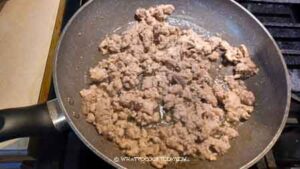
- Place the pork in a skillet (without oil) and use a spatula to break it up and let it cook over medium heat. The fat will render out slowly, this take about 7-10 minutes. The meat will have some charred spots and crisp edges.
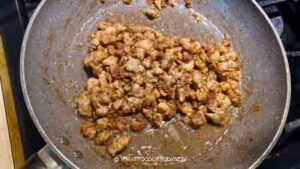
- Add the garlic and ginger and stir fry for about 3 minutes. Then splash in the shaoxing wine and scrape the brown bits from bottom of the skillet. This adds flavor to the meat. Add soy sauce, oyster sauce, and sugar, and stir fry for another minute and then remove from the heat and set aside
Prepare the seasoning:
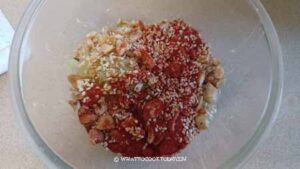
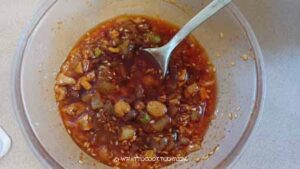
- In a medium to large heat-proof bowl, add chopped pickled mustard greens, chili powder, roasted peanuts, white part of the green onion, Sichuan peppercorns, and white sesame seeds
- Heat 5 Tbsp of oil until really hot. When you start smoke starts to rise, turn off the heat and very carefully pour the hot oil over the pickled mustard mixture. You will hear a sizzling sound. Let them "bloom" for about 5 minutes for maximum flavor.
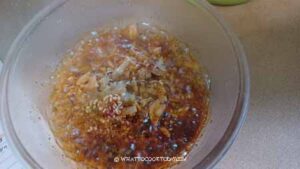
- Then add soy sauce, sesame oil, and black vinegar. Stir to mix everything
Assembling:
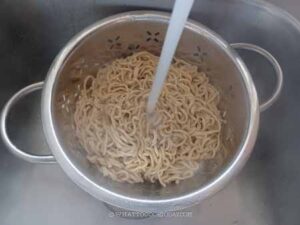
- Cook the noodles according to the package instruction. Do not overcook. Rinse the noodles with cold water to remove extra starch and to stop the cooking process
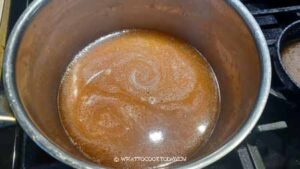
- Heat up the broth in a saucepan
- Portion the cooked noodles into bowls. Drizzle the seasoning you prepared earlier. You may need 1-2 Tbsp (or more if you think you need more) for each portion. Toss the noodles with the seasonings to evenly coat the noodles. Portion the broth into each bowl. Portion the meat topping and chickpeas. Garnish with the green part of finely chopped green onion
- Serve immediately
