This post may contain affiliate links. Please read our disclosure policy.
Easy gochujang ground beef rice bowl made with a sweet, spicy Korean-inspired sauce. A delicious and quick meal for any time of the week.
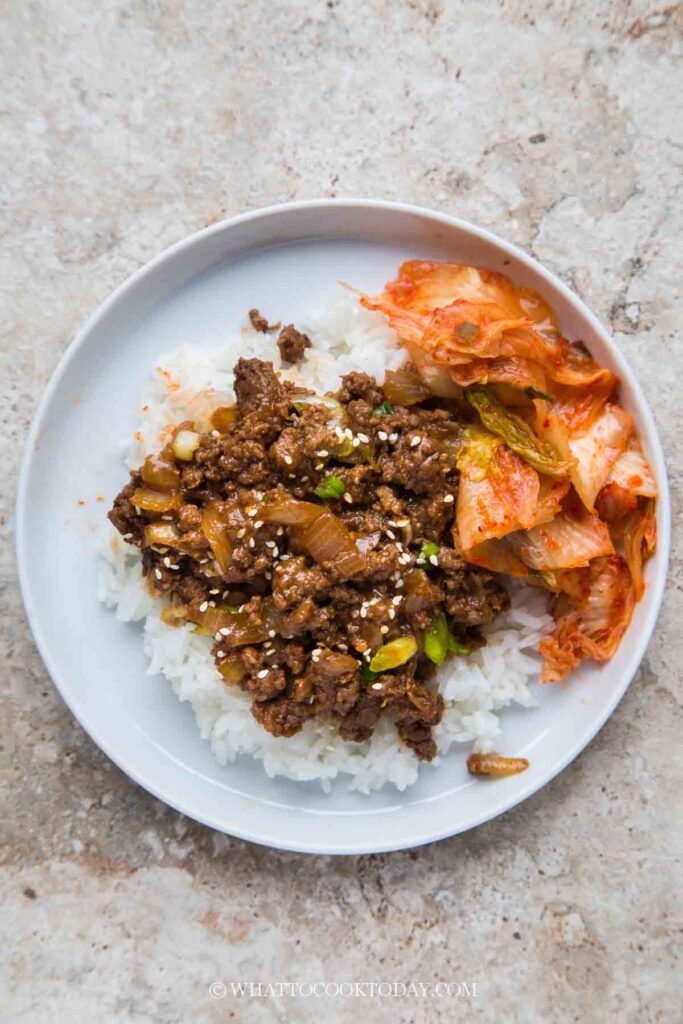
If you’re looking for a quick dinner packed with bold flavor but easy enough for a busy weeknight, this Easy Gochujang Ground Beef Rice Bowl is exactly the kind of recipe you’ll want to keep in your regular rotation. Savory ground beef is cooked with garlic and onion, then tossed in a sweet, spicy, and deeply savory sauce made with Gochujang, the famous Korean fermented chili paste.
Everything comes together in about 30 minutes, making it perfect for those days when you want something delicious but don’t want to spend a lot of time in the kitchen. Serve it over warm rice with a side of Kimchi and you have a satisfying, flavor-packed meal in no time.
Why You’ll Like This Recipe
- Quick weeknight meal – This dish comes together in about 20 minutes from start to finish.
- Bold Korean-inspired flavor – The gochujang sauce brings the perfect balance of sweet, savory, and spicy.
- Simple pantry ingredients – Most of the ingredients are pantry staples you probably already have.
- Great for meal prep – The beef reheats really well for lunches or quick dinners.
- Easy to customize – You can add vegetables, swap proteins, or adjust the spice level.
What Is Gochujang?
Gochujang is a staple ingredient in Korean cooking. It’s a thick fermented chili paste made from red chili powder, glutinous rice, fermented soybeans, and salt. It has a flavor that is: spicy, slightly sweet, deeply savory and umami-rich.
Because it’s fermented, it adds incredible depth to sauces, marinades, stir-fries, and rice bowls like this one. A little bit goes a long way.
Ingredients and Substitutions
- Ground beef – Ground pork, ground chicken, or ground turkey also work well in this recipe.
- Oil – Neutral oils like avocado oil, vegetable oil, or canola oil are great options.
- Garlic – Fresh garlic gives the best flavor, but garlic paste can work if needed.
- Onion – Yellow onion or white onion both work well.
- Soy sauce – Tamari or coconut aminos can be used instead.
- Rice vinegar – Apple cider vinegar can work as a substitute.
- Brown sugar – Honey or maple syrup can replace it if needed.
- Toasted sesame oil – Adds a signature nutty aroma. Regular sesame oil can work, but toasted has a better flavor.
- Red pepper flakes – Adjust the amount depending on your spice preference.
- Gochujang – The key ingredient that gives the sauce its signature flavor.
- Black pepper – Adds subtle warmth and depth.
- White sesame seeds – Provide a light nutty crunch.
- Green onion – Adds freshness and color.
Tips for the Best Gochujang Beef
- Cook the aromatics first to build flavor. If you plan to add veggies, add them here after the aromatics
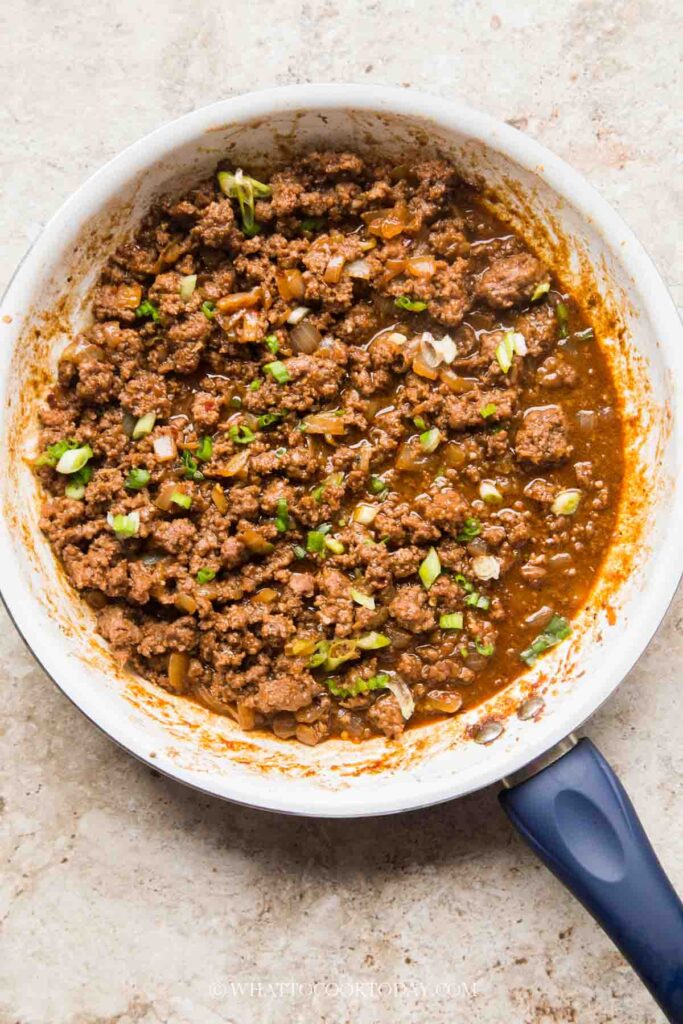
- Break up the beef well so the sauce coats every bit.
- Taste the sauce before adding if you want to adjust the sweetness or spice.
- Don’t skip sesame oil — it adds an essential aroma.
- Toast sesame seeds in a dry pan for a deeper flavor.
Variations
1. Add vegetables
Stir in shredded carrots, bell peppers, zucchini, or mushrooms. Except for carrots and bell peppers, I suggest cooking the zucchini or mushrooms separately to remove excess liquid
2. Make it a full rice bowl
Top the bowl with a fried egg, sliced cucumber, shredded cabbage, or avocado.
3. Turn it into lettuce wraps
Serve the beef in crisp lettuce leaves instead of rice.
4. Use a different protein
Ground chicken, turkey, pork, or even crumbled tofu work well.
5. Make it extra spicy
Add more red pepper flakes or drizzle with some chili crisp oil
What to Serve This With
- Steamed jasmine rice
- Kimchi
- Quick cucumber salad
- Garlic sautéed spinach
- Pickled radish
Storage & Reheating
- Refrigerator – Let the beef cool completely before storing in an airtight container in the refrigerator for up to 3 days.
- Freezer – Store in a freezer-safe container for up to 2 months.
- Reheating – Reheat on the stovetop over medium heat until warmed through. Add a splash of water if needed to loosen the sauce.
Frequently Asked Questions
- Is gochujang very spicy?
It has moderate heat but is balanced by sweetness and savory depth. - Can I make this recipe less spicy?
Yes. Simply reduce or omit the red pepper flakes. - Can I meal prep this recipe?
Absolutely. It reheats very well, making it great for lunches. - Can I use ground turkey or chicken instead of beef?
Yes, both work well and create a lighter version of the dish. - What rice works best with this dish?
Jasmine rice, Basmati rice, or any long-grain rice pairs well with this
This Easy Gochujang Ground Beef Rice Bowl proves that you don’t need complicated ingredients or long cooking times to create something incredibly flavorful. The sweet, spicy, and savory sauce coats the beef perfectly, making every bite delicious over a bowl of warm rice.
It’s fast, satisfying, and endlessly customizable — exactly the kind of recipe you’ll find yourself making again and again.
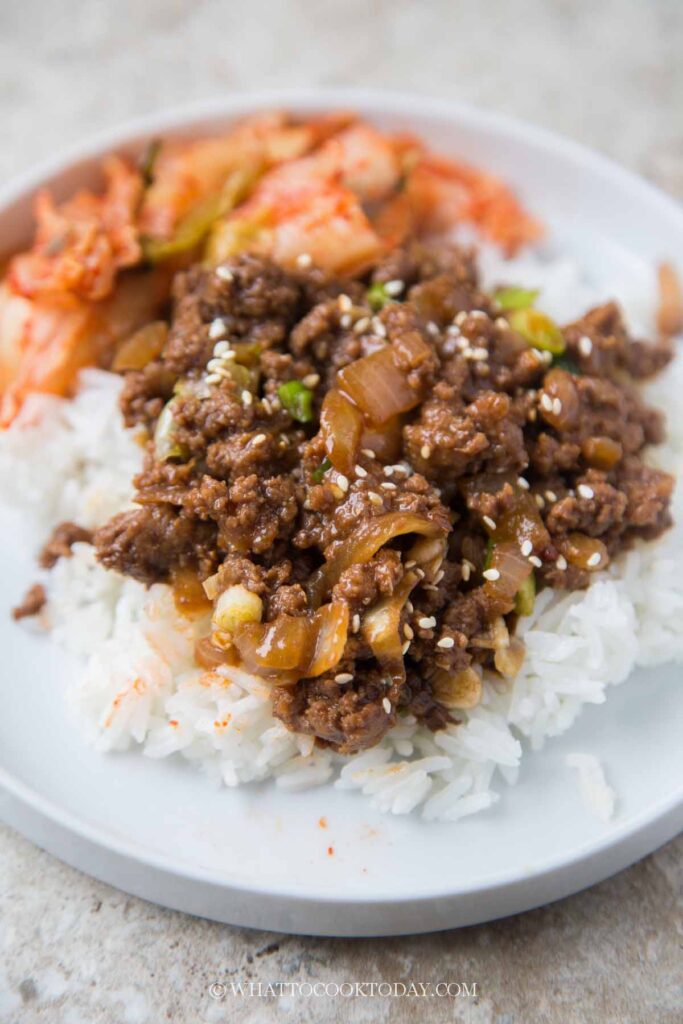
Easy Gochujang Ground Beef Rice Bowl
Ingredients
- 450 g ground beef about 80-85% lean
- 1 Tbsp oil
- 2 cloves garlic minced
- 1 small onion peeled and diced
- 1 tsp grated ginger
Seasonings:
- 2 Tbsp soy sauce
- 1 Tbsp rice vinegar
- 3 Tbsp brown sugar
- 1 Tbsp toasted sesame oil
- 1 tsp red pepper flakes
- 2 Tbsp gochujang paste
- ½ tsp freshly ground black pepper
Garnishes:
- White sesame seeds toasted
- 1 stalk green onion finely sliced
Instructions
- Combine all the seasonings in a bowl and set aside
- In a large skillet, preheat 1 Tbsp oil over medium heat. Add onion, ginger, and garlic until aromatic, about 3 minutes

- Add ground beef
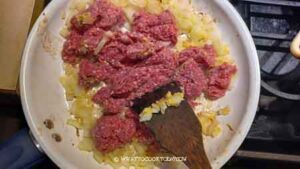
- Cook until it's no longer pink, about 5-7 minutes.
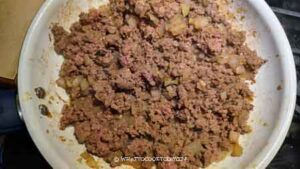
- Add the seasonings you prepared earlier
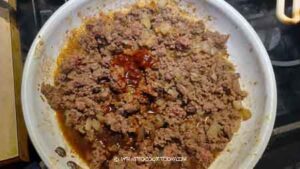
- Stir to combine everything and cook for another minute

- Remove from the heat and sprinkle with toasted white sesame seeds and finely chopped green onion
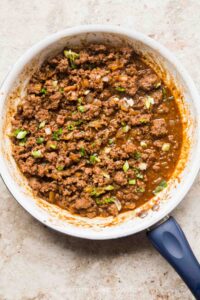
- Serves with rice and a side dish like kimchi
Leftovers:
- Let it cool down completely and then store in an air-tight container and keep in the fridge for 2-3 days. This also freezes well. It can be kept frozen for up to 2 monhts. Simply reheat on the stove without having to thaw first

5 comments
I noticed that the amount of ginger was left but I added about a half inch of ginger and sliced it very thin. It was perfect!
I’m so sorry I left that out but I’m glad you got it figured out and it turned out great for you! Thank you for taking time to leave your feedback!
It is DELICIOUS!!! And so quick t make
Thank you!
This looks like a great recipe! In reading the post there was no ginger mentioned. The Recipe Card states “Add onion, ginger, and garlic until aromatic, about 3 minutes” I’m sure that fresh ginger may also add some spiciness. Is it something that should be added? What amount?
Hello Cris, I’m so sorry for leaving that out. I did add grated ginger, about 1 tsp. If you are sensitive to spiciness or not a fan of ginger, you can omit the ginger or use a lesser amount to suit your taste. I hope that helps to clarify!