This post may contain affiliate links. Please read our disclosure policy.
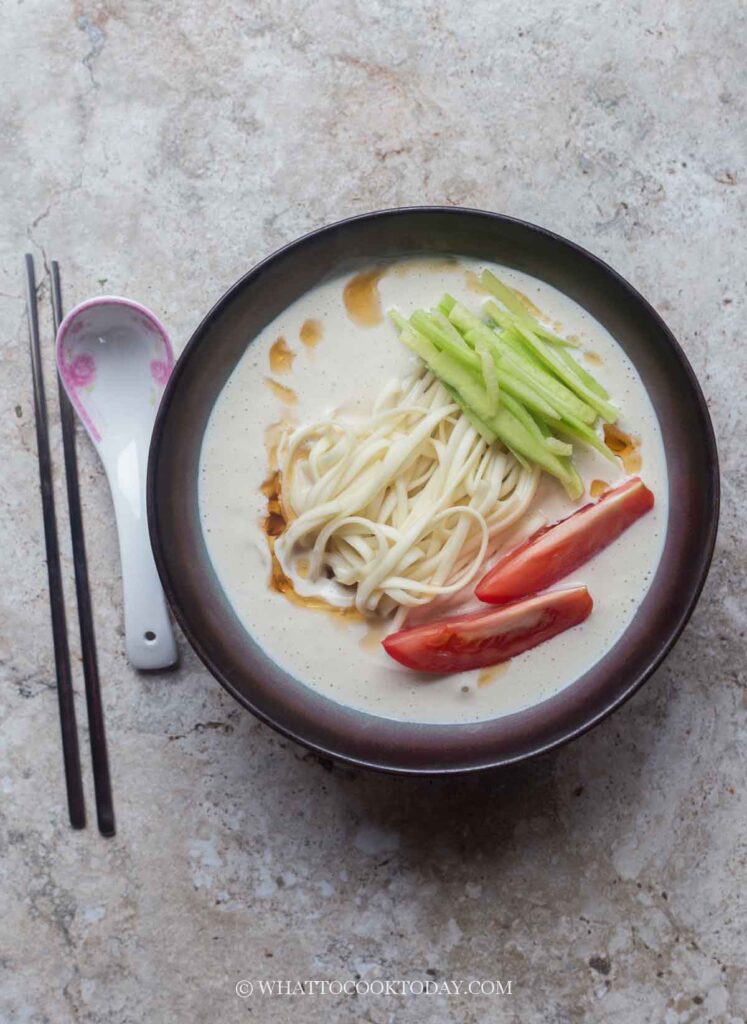
Make refreshing Korean kongguksu the easy way with tofu and soy milk. This creamy, nutty cold noodle soup comes together without soaking or cooking soybeans.
When we visited Seoul this past summer, the temperature was averaging around 95°F, but with the humidity, it felt closer to 110°F. It was miserable being outside. Honestly, I wanted to submerge myself in an ice tub! While looking for something refreshing to eat, I came across recommendations for kongguksu. I had never tried it before, so when I ordered it, I wasn’t quite sure what to expect. The bowl looked so pale and almost bland that I wasn’t convinced I was going to like it. And to be completely honest, my first impression was that it was pretty bland. But something interesting happened the more I ate it: it grew on me. My husband and I both ended up really enjoying it. My kids, however, weren’t quite as enthusiastic. They found the noodles and soy broth too plain for their liking.
What is Kongguksu?
Kongguksu literally means noodles in soybean soup. “Kong” means soybean, while “guksu” means noodles.
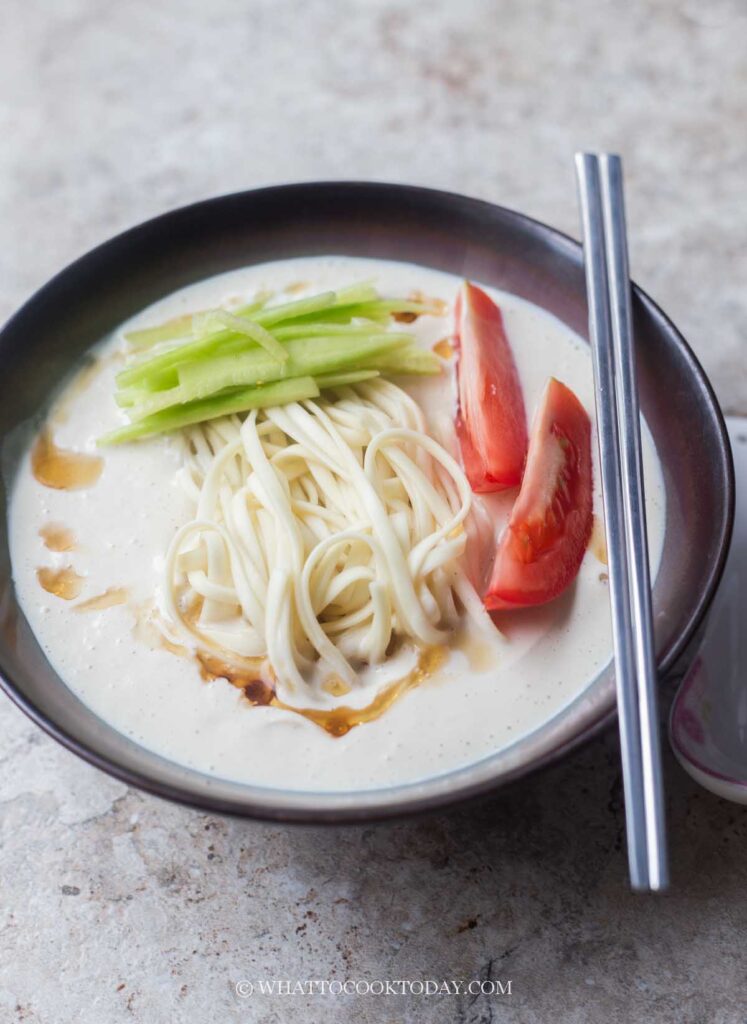
It is a popular Korean summer noodle dish, particularly appreciated during hot weather because the noodles are served chilled in a cold soybean broth. The broth is typically creamy and nutty, with a very simple flavor profile.
Traditionally, dried soybeans are soaked, cooked, cooled, and then blended with water. The mixture is usually strained to produce a smooth soybean milk-like broth. Cold noodles are then added and topped with simple garnishes such as cucumber, tomato, sesame seeds, and sometimes a boiled egg.
Easy Tofu Kongguksu vs. Traditional Kongguksu
- Traditional kongguksu starts with dried soybeans. The beans need to be soaked, cooked, cooled, and blended before making the soup. My tofu version skips all of those steps by using tofu and unsweetened soy milk.
- The texture is slightly different. Traditional soybean broth has a very distinctive creamy texture from freshly cooked and blended soybeans. The tofu version is also creamy, but tends to be a little smoother and more velvety, especially when made in a high-speed blender.
- The flavor is different. Traditional kongguksu has a clean, distinctly soy-bean flavor. My version has a slightly richer and more savory-nutty flavor from the toasted sesame seeds and peanut butter.
- My version is more seasoned. Traditional kongguksu can be surprisingly mild. In Korea, the soup is often seasoned simply with salt at the table. I add a small amount of salt and sugar to the soup, along with peanut butter and toasted sesame seeds, which gives it more flavor.
- The tofu version is much faster. There is no soaking or cooking dried soybeans, making this a practical option when you want kongguksu without planning ahead.
- Both versions are delicious. If you have never had traditional kongguksu, I definitely recommend trying it. But if you want an easy homemade version, this tofu kongguksu is a very good place to start.
Why You’ll Like This Recipe
- It’s incredibly refreshing. Cold noodles and chilled creamy soybean soup are exactly what I want on a hot summer day.
- It’s much easier than traditional kongguksu. There are no dried soybeans to soak or cook. Everything for the soup goes straight into the blender.
- The soup is creamy without being heavy. Tofu and soy milk create a smooth base, while sesame seeds and peanut butter add richness.
- You can adjust the consistency. Make the soup thicker and creamier or add more water if you prefer a lighter broth.
- It is mild and family-friendly. There is no chili or strong seasoning, although you can easily add toppings to make it more flavorful.
- It can be prepared ahead. The soup actually benefits from being thoroughly chilled in the refrigerator.
- High in plant protein. The appearance may look bland and incomplete, but it is packed with protein, thanks to the tofu and soymilk
Ingredients and Substitutions
- Tofu: I used extra-firm tofu because that’s what I always stock up in the fridge. You can use either firm or soft tofu. Soft tofu will give you a particularly smooth soup, while firm tofu makes the soup slightly thicker.
- Unsweetened soy milk: Soy milk reinforces the soybean flavor and helps create the creamy base. Make sure you use unsweetened soy milk rather than vanilla or sweetened soy milk.
- Water: Start with 240 g and add more if needed. The exact amount depends on how thick you like your soup.
- Toasted white sesame seeds: These add a lovely nutty flavor. Toasted sesame seeds are much more flavorful than raw sesame seeds, so I highly recommend using toasted ones.
- Peanut butter: I originally wrote this recipe using 1 tablespoon, but I personally prefer using 2 tablespoons because it gives the soup more richness and flavor. Use creamy peanut butter for the smoothest result.
- Salt: Salt is important because the soybean soup is intentionally mild. Start with ¼ teaspoon and adjust to taste.
- Sugar: Just 1 teaspoon helps balance the savory and nutty flavors. The soup should not taste sweet.
- Somen noodles: Korean-style thin wheat noodles are traditionally used for kongguksu, but you can use any wheat noodles. I use a thicker type wheat noodles because that’s all I have
- Cucumber: Seeded cucumber cut into thin strips provides a cool, crunchy contrast to the creamy soup.
- Tomato: Tomato adds color, freshness, and a little acidity.
- Eggs: Hard-boiled or soft-boiled eggs make the meal more substantial.
- Additional toasted sesame seeds: Sprinkle these over the finished noodles for extra nuttiness and texture.
Tips for Success
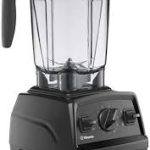
- Use a high-speed blender if possible. The sesame seeds need to be finely blended into the soup for the smoothest texture.
- Chill the soup well. This is one dish where cold really is the point. I prefer to make the soup ahead of time and refrigerate it for several hours.
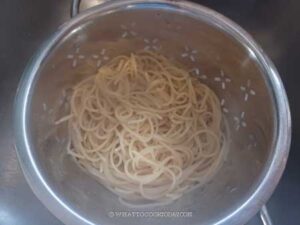
- Don’t skip rinsing the noodles. Somen releases quite a bit of starch while cooking. Rinsing thoroughly gives you cleaner-tasting, springier noodles.
- Drain the noodles well. Excess water clinging to the noodles can dilute the creamy soybean soup.
- Taste the soup before serving. The amount of salt needed can vary depending on the tofu, soy milk, and peanut butter you use.
- Don’t make the soup too thin. Remember that it will be served with noodles, which will dilute the broth slightly. I prefer a medium-thick consistency.
- Use toasted sesame seeds. Toasting makes a noticeable difference in flavor and gives the soup its wonderful nuttiness.
- Make extra soup if you like a generous amount of broth. The soup can be thinned with additional water, so it’s easy to adjust at serving time.
Variations
- Use different noodles: Thin Korean wheat noodles, somyeon, or other thin noodles can be used instead of somen.
- Make it extra nutty: Add another tablespoon of toasted sesame seeds or peanut butter.
- Add heat: Drizzle a little chili oil or chili crisp over the top. This isn’t traditional, but it is delicious if you prefer stronger flavors.
- Add more vegetables: Shredded carrots, blanched spinach, or thinly sliced bell peppers can add more color and texture.
- Make it more substantial: Add shredded chicken if you want a heartier meal.
- Try different toppings: Kimchi, roasted seaweed strips, or chopped scallions can give the mild noodles more punch.
- Make the soup thinner: Add cold water a little at a time until you reach your preferred consistency.
Frequently Asked Questions
1. Can I make kongguksu without tofu?
Yes. Traditional kongguksu is actually made from soybeans rather than tofu. My recipe uses tofu as a shortcut.
You can also make the traditional version by soaking and cooking dried soybeans, then blending them with water and straining the mixture. I didn’t make it that way, so I can’t tell you how much soy beans to use.
2. Can I use soft tofu instead of firm tofu?
Yes. Both work well.
Soft tofu will produce a very smooth and creamy soup, while firm tofu tends to produce a slightly thicker soup.
3. Can I make the soup ahead of time?
Absolutely. In fact, I recommend it. Make the soup, refrigerate it in a covered container, and chill it thoroughly before serving.
The soup can also be made a day ahead, which makes this an especially convenient meal for hot days. They keep well in the fridge for about 3-4 days
4. Why does my kongguksu taste bland?
Kongguksu is traditionally a very mild dish, so some people find it surprisingly bland at first. Make sure you have seasoned the soup adequately with salt.
My tofu version also uses peanut butter and toasted sesame seeds to give it more flavor than the traditional soup. You can also add additional toppings such as kimchi, chili crisp, or scallions if you prefer more intense flavors.
5. Can I use sweetened soy milk?
I don’t recommend it.
Use plain, unsweetened soy milk so that you can control the amount of sugar in the soup.
6. Can I use natural peanut butter?
Yes, as long as it is creamy.
If your peanut butter separates, stir it very well before measuring so that you get a consistent amount of peanut solids and oil.
7. Can I skip the peanut butter?
Yes, although the flavor will be slightly different.
Peanut butter gives the soup additional richness and nuttiness, but you can omit it if you prefer a more soy-forward flavor.
8. How cold should kongguksu be?
Very cold! That’s part of what makes this dish so refreshing.
Refrigerate the soup before serving and rinse the noodles thoroughly in cold water.
You can also add ice cubes to the finished bowl for an especially refreshing meal.
9. Can I use other toppings?
Definitely. Cucumber, tomato, sesame seeds, and egg are classic and simple toppings, but you can customize the bowl to your liking.
Kimchi, scallions, chili oil, chili crisp, shredded vegetables, or roasted seaweed are all good options if you want more flavor or texture.
10. Is this tofu version authentic kongguksu?
No. Traditional kongguksu is made from soybeans. This recipe is an easy shortcut version inspired by kongguksu. Tofu is made from soybeans, so it provides a convenient way to create a creamy soybean-based soup without soaking and cooking dried soybeans. If you’ve never made kongguksu before, this version is an easy way to get started. And if you’ve already had the traditional version, think of this as a convenient variation rather than a replacement.
After eating it in the middle of a brutally hot Seoul summer, I understood why cold noodle dishes like kongguksu are so appealing. The noodles are cool and chewy, the soybean soup is creamy and nutty, and the cucumber and tomato add just enough freshness and crunch. My tofu version isn’t traditional, but it is much easier to make at home. And because I personally prefer a little more flavor, the toasted sesame seeds and peanut butter make this version particularly satisfying. So if you’re looking for something refreshing to eat when the temperature climbs, put a bowl of kongguksu in the refrigerator and let it get really cold. Add a few ice cubes just before serving, and you may find yourself wanting to sit in that bowl of cold soup instead of an ice tub!
Easy Kongguksu (Korean Cold Soy Noodles)
Ingredients
For the cold soup:
- 400 g tofu you can use firm or soft
- 500 g unsweetened soy milk
- 240 g water plus more as needed
- 2 Tbsp toasted white sesame seeds
- 1 Tbsp creamy peanut butter I used 2 Tbsp
- ¼ tsp fine sea salt or to taste
- 1 tsp sugar
For noodles:
- 250 g dried somen noodles
Serve with:
- 1 large tomato
- 1 large cucumber seeded and cut into 3-inch thin strips
- 3 Tbsp Toasted white sesame seeds
- 3 Hard-boiled eggs or soft-boiled eggs
- Toasted sesame oil
Instructions
- Use a high-speed blender for a smooth creamy soup
- Add tofu, soy milk, water, toasted white sesame seeds, peanut butter, salt, and sugar in a blender. Blend on high speed until it is smooth and creamy. The texture should be medium thick. If you prefer thinner texture, you can add a bit more water to the consistency you like. Thinner consistency may yield more servings too. I prefer not too thin and not to thick
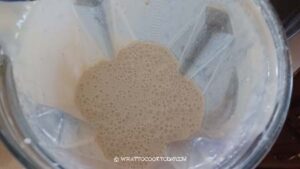
- I transfer this to a a large jar or two large jars (if can't fit into one) and let it chill in the fridge. You can use it right away too, but I really like the soup to be cold.
Cook the noodles:
- Bring a large pot of water to a boil and cook the noodles according to the instructions in the package. Rinse with cold water thoroughly to stop the cooking process and to rinse off any excess starches
Assembling:
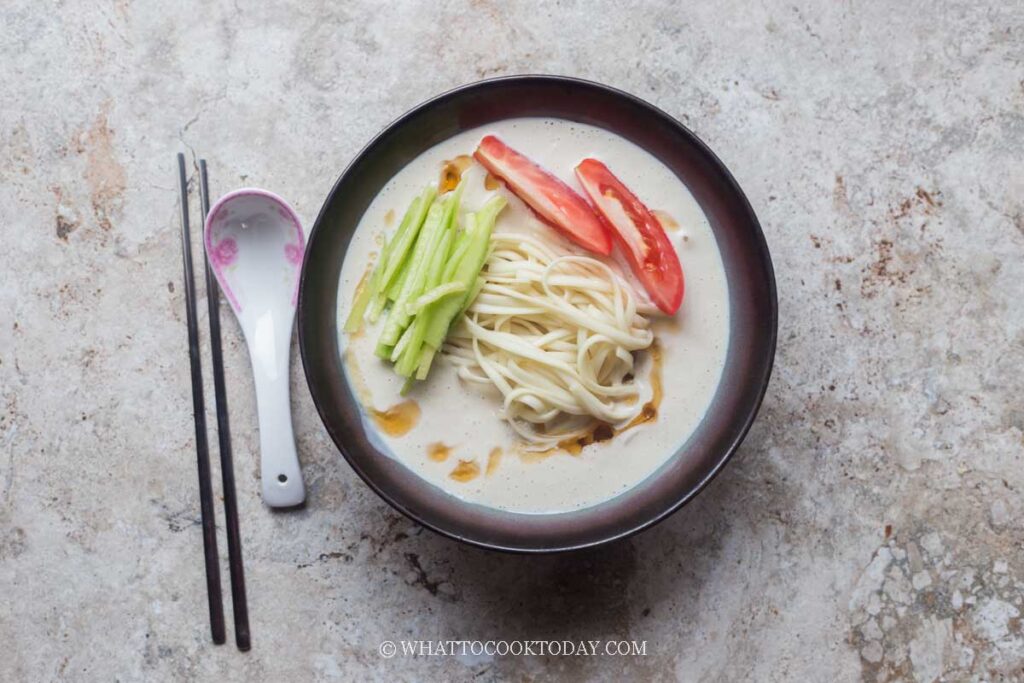
- Portion the noodles into individual large serving bowl. Pour the cold soup over the noodles. Arrange a few slices of tomatoes, some cucumber strips, one boiled egg, and sprinkle on some toasted white sesame seeds. Drizzle a bit of toasted sesame oil if you like
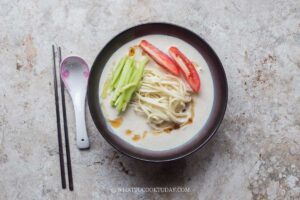
- You can also add some ice cubes to make it extra refreshing.